Data & Evidence Capstone
Design the evidence architecture for one control family end to end: collection, integrity, monitoring, metrics and the auditor's read view.
Brief
You now have the parts: pipelines, integrity, monitoring, metrics and queries. This room assembles them into one evidence architecture for a single control family and asks the question that decides whether it is real: can a stranger re-derive any number in the report?
Pick one family, cover the whole period, and design for the auditor's read path rather than your own write path.
Architecture is judged by the worst question an auditor can ask, not the best demo you can give.
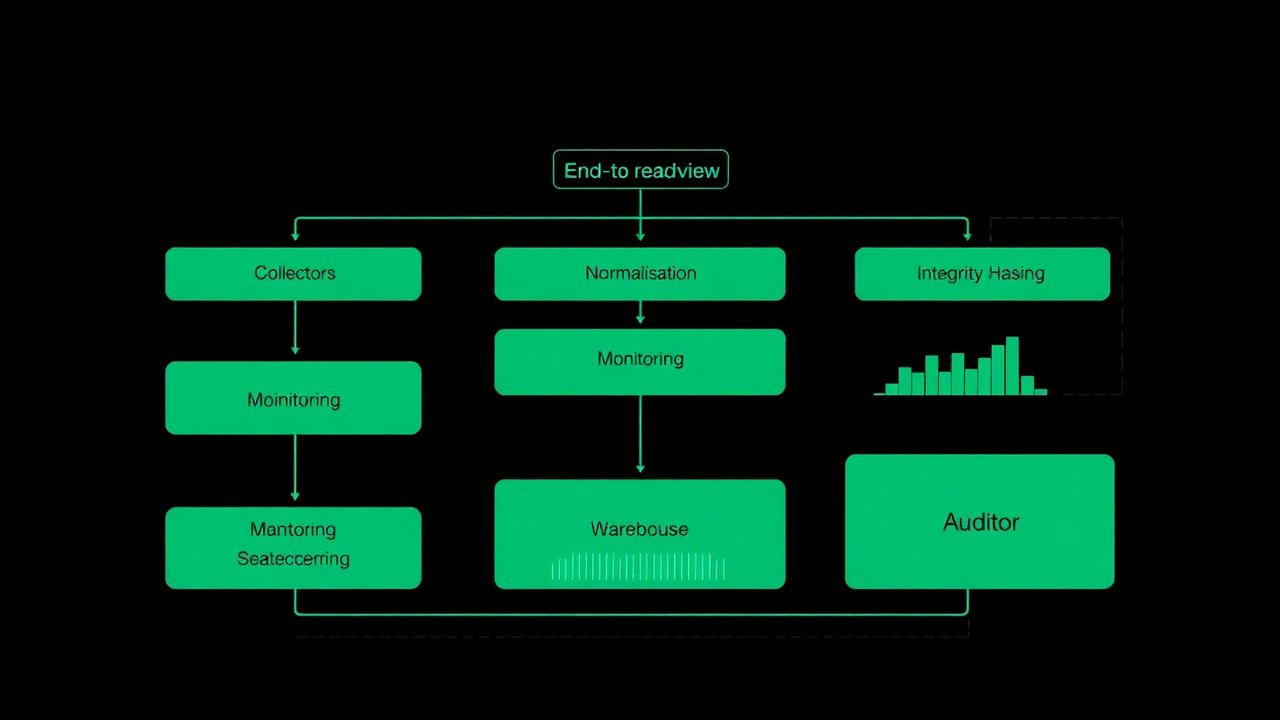
The end-to-end shape
Catalog defines the control and its id. Collectors produce canonical payloads with run metadata. The store keeps them immutably for the retention period. Monitors compare declared to observed and emit diffs. Metrics roll up coverage, freshness, pass rate and aging. The report reads from the same store the auditor can read.
One field threads through all six: the control id. Without it the layers are separate systems drawn next to each other.
Cover the period, not the demo
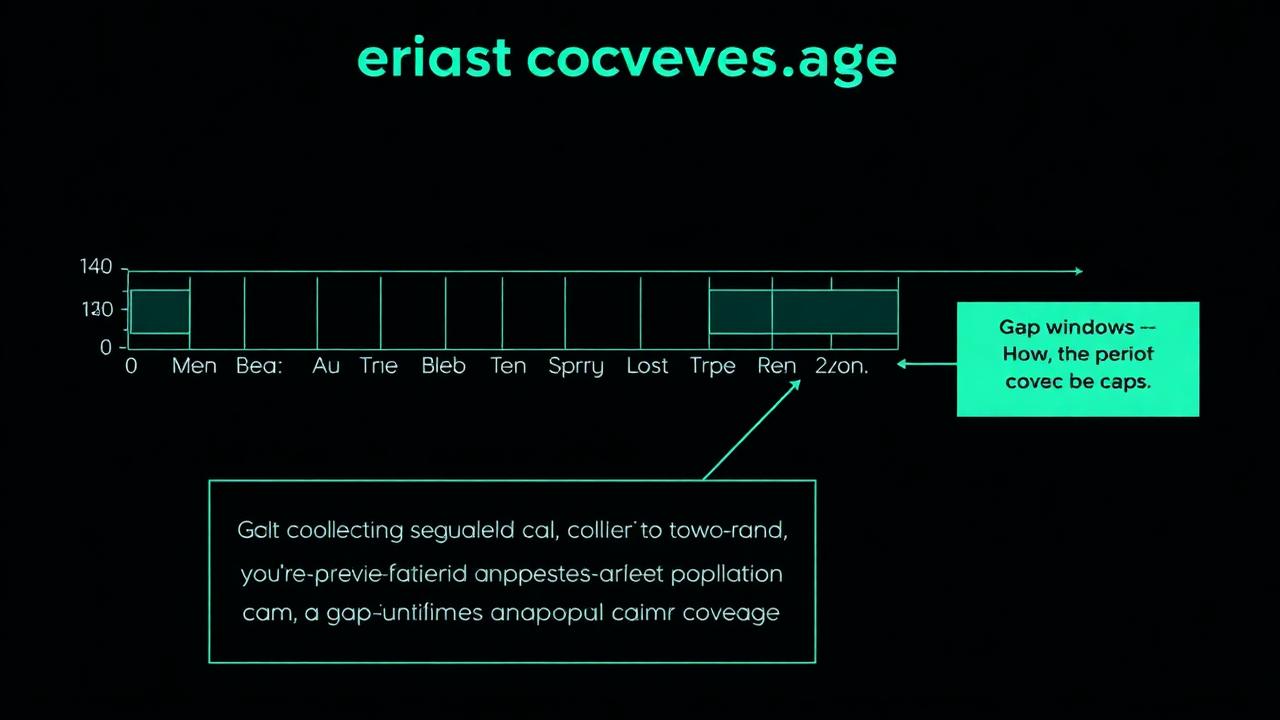
The audit opinion covers a period. Automation that goes live mid-period leaves months that must be covered some other way: a documented manual bridge, retained artefacts from the process you replaced, or an audit period that starts later.
Plan the bridge before you switch the old process off. Programs create their own gaps by decommissioning manual evidence in anticipation of automation that lands two months late.
Design the auditor's read path
The deliverable is not a dashboard. It is a read path: given a control id and a date, the auditor can find the artefact, the run that produced it, the digest, the population count and the query they can re-run themselves.
Re-performance is the payoff. An auditor who runs your query and gets your number stops sampling your spreadsheet, and audit effort falls for the first time.
If re-performance requires you in the room, you have built a demo.
This room is the track's final project. Every lab below is one step of a single deliverable - clear them all and the Data & Evidence track is complete.
Next on your path · AI & Advanced
LLMs for Policy & Gap Analysis
Where LLMs genuinely help in GRC, where they hallucinate, and how to keep a human in the loop.
Community
Discussion & writeups
Share how you approached the room or ask where you got stuck. Never paste task answers or full lab solutions: write the reasoning, not the key.
Loading discussion…